
Types of Psoriasis: A Simple Guide to Understanding Your Skin Better
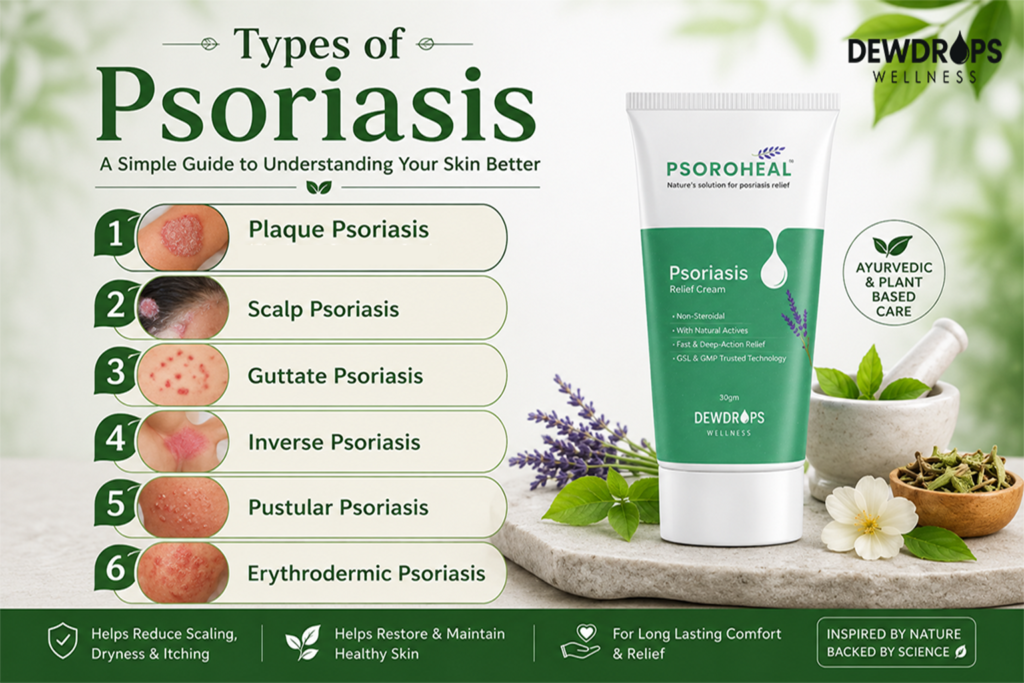
Types of Psoriasis: A Simple Guide to Understanding Your Skin Better
If you’ve ever noticed red, scaly patches on your skin that just won’t go away no matter what lotion you try, you’re not alone. Psoriasis affects millions of people, and honestly, most of them spend years confused about what’s actually happening to their skin. The tricky part? Psoriasis isn’t just one condition. It’s actually a family of related skin issues, each with its own quirks, triggers, and treatment approach.
So let’s break it down in plain language, no medical jargon overload, just what you actually need to know.
What Exactly Is Psoriasis?
Before we get into the types, here’s the short version. Psoriasis happens when your immune system speeds up the skin cell production cycle. Normally skin cells take about a month to grow and shed. With psoriasis, that process can happen in just a few days. The result is a pile-up of cells on the skin’s surface, which is why you see those thick, scaly patches.
It’s not contagious, it’s not caused by poor hygiene, and it’s definitely not “just dry skin,” even though people love to say that.
1. Plaque Psoriasis (The Most Common One)
This is the one most people picture when they hear the word psoriasis. Raised, red patches covered with a silvery-white buildup of dead skin cells, usually showing up on the elbows, knees, lower back, and scalp.
It can itch, burn, or just feel tight and uncomfortable. Some days it’s barely noticeable, other days it flares up out of nowhere, usually triggered by stress, weather changes, or skin injuries.
2. Scalp Psoriasis
This one deserves its own spotlight because it’s genuinely one of the most frustrating types to deal with. It shows up as red patches with thick scaling right on the scalp, sometimes creeping past the hairline onto the forehead, neck, or behind the ears.
People often mistake it for stubborn dandruff at first. The difference is scalp psoriasis tends to be thicker, more defined, and doesn’t budge with regular anti-dandruff shampoo. This is usually when people start actively searching for a proper scalp psoriasis treatment, something that actually targets inflammation instead of just washing away flakes.
3. Guttate Psoriasis
Guttate psoriasis looks completely different from plaque psoriasis. Instead of thick patches, you get small, drop-shaped spots scattered across the torso, arms, and legs. It often shows up in kids and young adults, and interestingly, it’s frequently triggered by a bacterial infection like strep throat.
The good news is it sometimes clears up on its own after a few weeks or months. The bad news is it can also turn into chronic plaque psoriasis for some people.
4. Inverse Psoriasis
This type likes to hide in the skin folds, think underarms, groin, under the breasts, or around the belly button. Because of the location, it looks smoother and shinier rather than scaly, and sweating or friction in these areas can make it worse.
It’s easy to confuse with a fungal infection, which is why getting an actual diagnosis matters instead of guessing and self-treating.
5. Pustular Psoriasis
This one’s less common but more intense. It causes white, pus-filled bumps surrounded by red skin, usually on the hands and feet, though it can spread wider in severe cases. It can come with fever, chills, and fatigue, so if this happens, it’s worth getting medical attention quickly rather than waiting it out.
6. Erythrodermic Psoriasis
The rarest and most serious type. It covers large areas of the body with a red, peeling rash that can look like a severe burn. It can mess with your body’s ability to regulate temperature and fluids, so this one is considered a medical emergency, not something to manage at home.
What Triggers a Flare-Up Anyway?
Understanding your type is step one, but figuring out your personal triggers is what actually helps you stay ahead of flare-ups. Triggers vary from person to person, but a few usual suspects show up again and again.
- Stress, probably the biggest one for most people
- Cold, dry weather that strips moisture from the skin
- Skin injuries like cuts, scrapes, or even a bad sunburn
- Certain medications, including some blood pressure or anti-malarial drugs
- Infections, especially throat infections in the case of guttate psoriasis
- Smoking and heavy alcohol use
Keeping a simple journal for a month or two, just noting what you ate, how stressed you were, or what the weather was like when a flare started, can reveal patterns you’d never notice otherwise. It sounds tedious, but most people who do this end up genuinely surprised by what they find.
Is It Psoriasis or Something Else?
One of the most common mix-ups is confusing psoriasis with eczema, especially early on. Both cause red, itchy, inflamed skin, but there are a few tells that separate them. Psoriasis patches tend to have well-defined edges and a thicker, silvery scale, while eczema usually looks more like a diffuse, weepy rash and tends to show up in the creases of elbows and knees rather than on top of them.
Ringworm and seborrheic dermatitis are two other conditions people frequently confuse with psoriasis, particularly on the scalp. This is exactly why a proper diagnosis matters so much before you start throwing random creams at the problem. Treating the wrong condition doesn’t just waste time and money, it can sometimes make things worse.
Managing Psoriasis: What Actually Helps
There’s no single fix that works for everyone, psoriasis is stubborn like that. But a solid routine usually includes a mix of the following:
- Keeping skin well moisturized daily, not just during flare-ups
- Identifying and avoiding personal triggers, whether it’s stress, alcohol, or certain foods
- Using a dermatologist-recommended psoriasis cream to manage inflammation and scaling
- Being gentle with skin, harsh scrubbing or hot showers tend to make things worse
A lot of people in India specifically look for the best psoriasis cream in India that balances effectiveness with affordability, and there’s growing interest in gentler options too. Ayurvedic and herbal approaches have picked up popularity, with many people trying an ayurvedic cream for psoriasis or a herbal cream for psoriasis alongside their regular treatment, especially for long-term skin comfort. Some prefer this route because it feels less harsh on sensitive, already irritated skin.
That said, what works as the best cream to treat psoriasis really depends on the type you have, how severe it is, and how your skin personally reacts. What works wonders for your friend might do nothing for you, and that’s completely normal with psoriasis.
If you’re exploring the herbal route, Psoroheal by Dewdrops Wellness is one option worth looking into for everyday comfort, its plant-based formulation is built around soothing, calming ingredients meant to support skin that’s feeling irritated or uncomfortable. As with any product, it’s worth checking in with your dermatologist before adding it to your routine.
Living With Psoriasis Day to Day
Beyond creams and medication, small daily habits add up more than people expect. Lukewarm showers instead of hot ones, fragrance-free soaps, and cotton clothing that doesn’t rub against irritated skin all make a noticeable difference over time. Diet is another area people ask about a lot. While there’s no single “psoriasis diet” backed by strong evidence, a lot of people report fewer flare-ups when they cut back on processed food and alcohol, and add more anti-inflammatory foods like fatty fish, leafy greens, and nuts.
Sleep and stress management deserve just as much attention as anything you put on your skin. It’s a bit of a frustrating loop, stress triggers flares, and flares cause stress, so breaking that cycle with things like regular exercise, breathing exercises, or even just consistent sleep can genuinely change how often you deal with flare-ups.
It also helps to remember that psoriasis is a long-term condition, not something you “cure” once and forget about. Most people who manage it well aren’t the ones who found one magic product, they’re the ones who built a consistent routine and stuck with it, adjusting along the way as their skin changes with seasons, stress levels, or age.
The Real Takeaway
Psoriasis isn’t a one-size-fits-all condition, and treating it that way usually leads to frustration. Understanding which type you’re dealing with is the first real step toward managing it properly instead of just guessing your way through random products.
If your skin has been acting up for weeks and nothing seems to help, it’s worth getting an actual diagnosis from a dermatologist rather than self-diagnosing from a symptoms list online. Once you know exactly what you’re dealing with, finding the right cream, routine, or lifestyle tweak becomes a whole lot easier.
Frequently Asked Questions
Is psoriasis contagious?
No, not at all. You can’t catch it by touching someone or sharing their towel. It’s related to how your own immune system behaves, not to any virus or bacteria being passed around.
Can psoriasis be cured permanently?
There’s currently no permanent cure, but that doesn’t mean it can’t be managed well. Many people go long stretches with clear or barely-there skin once they find a routine and treatment plan that works for them.
Which type of psoriasis is the most common?
Plaque psoriasis is by far the most common, making up the majority of cases. It’s the one most people picture when they hear the word psoriasis.

